

Bio-Fabrication for the Next Generation of Designers
Welcome to NatureTech. We explore the intersection of biology and engineering. Our focus is on how living organisms can replace synthetic materials in construction and industrial design. We provide resources for students and professionals who want to understand the mechanics of bio-based materials.

Understanding the Root Network
Mycelium is the vegetative part of a fungus. It consists of a network of fine white filaments called hyphae. You can think of it as nature’s glue. In a controlled environment, these filaments consume organic waste like sawdust or agricultural byproducts. They bind this loose matter into a solid and durable composite material. This process is known as bio-fabrication. It allows us to grow materials rather than extract them.
Core Applications in Industry
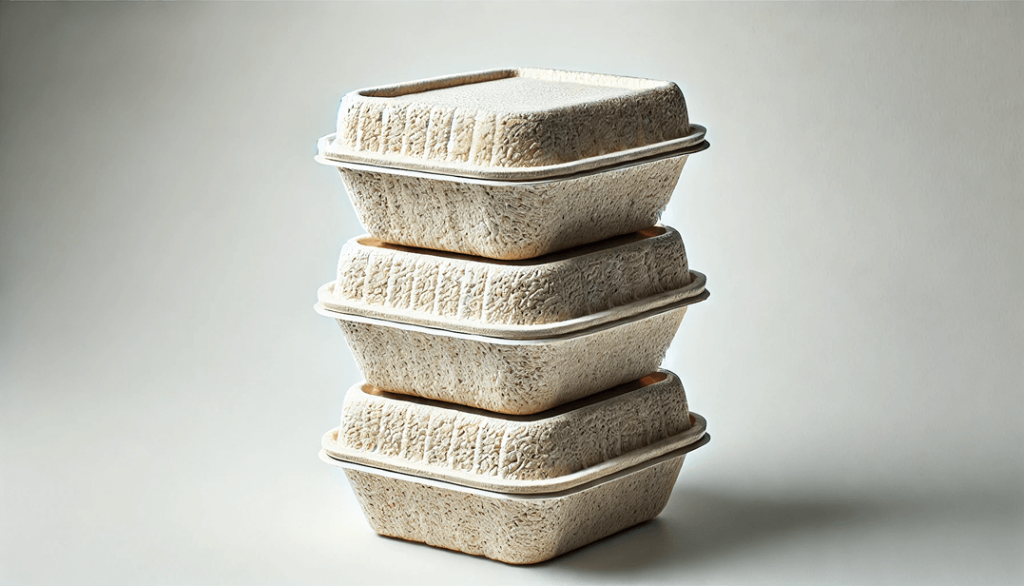
The versatility of this material leads to diverse mycelium products that solve specific engineering challenges. We categorize them into three main areas.
Protective Solutions
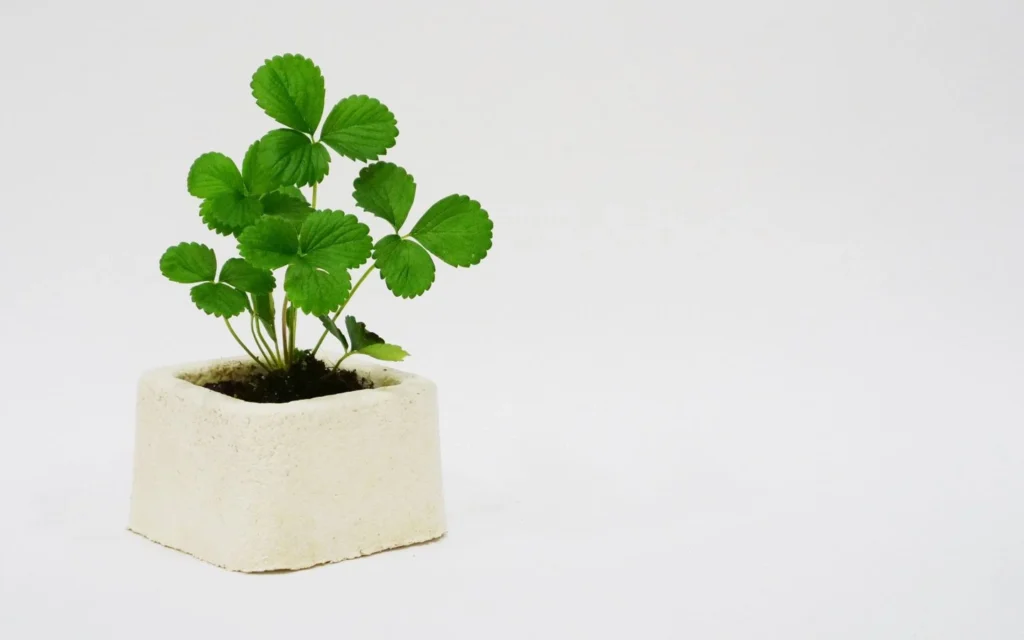
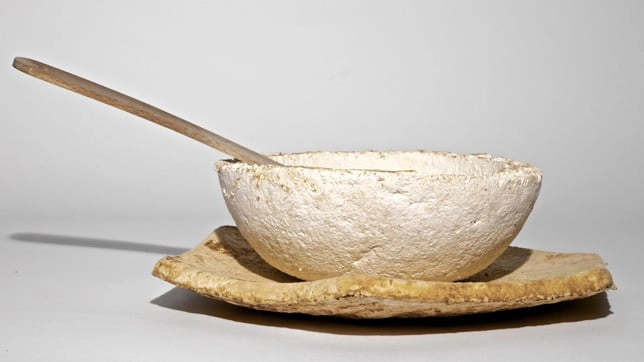
Shipping logistics rely heavily on polystyrene foam. This is a major pollutant. We are seeing a shift toward mycelium packaging as a viable alternative. It offers similar shock absorption and thermal protection. The key difference is the life cycle. You can break it up and toss it in a garden. It decomposes in weeks and adds nutrients to the soil.
Thermal Regulation
Energy efficiency is a priority for new buildings. Standard fiberglass insulation has a high carbon footprint. Mycelium insulation panels are emerging as a strong competitor. They provide excellent thermal resistance and acoustic dampening. They are also naturally fire-resistant without the need for toxic chemical coatings. This makes them safer for indoor air quality.
Structural Components
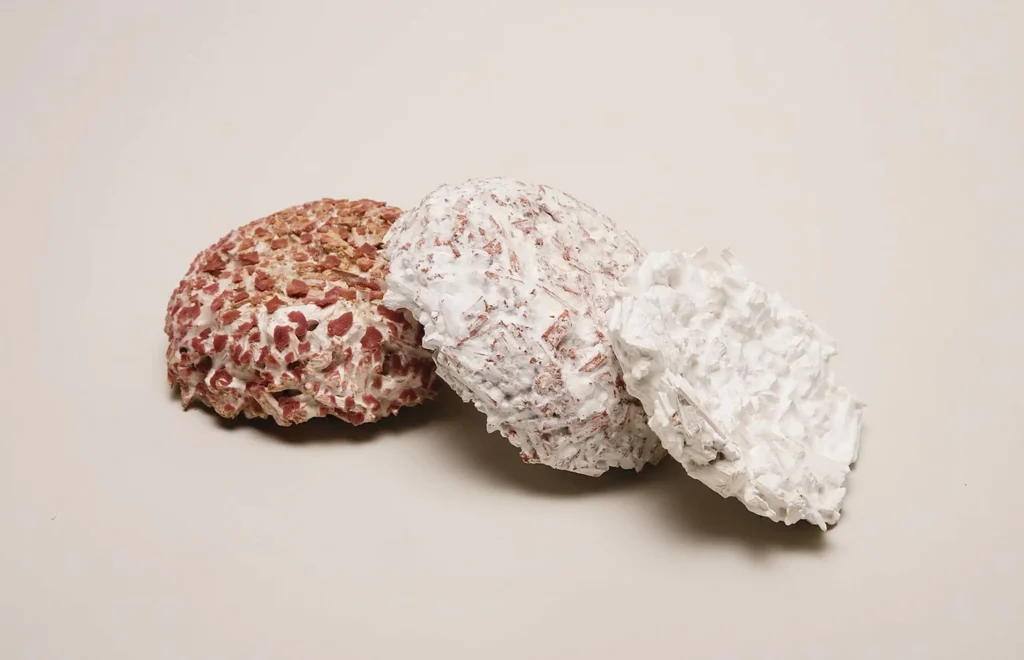
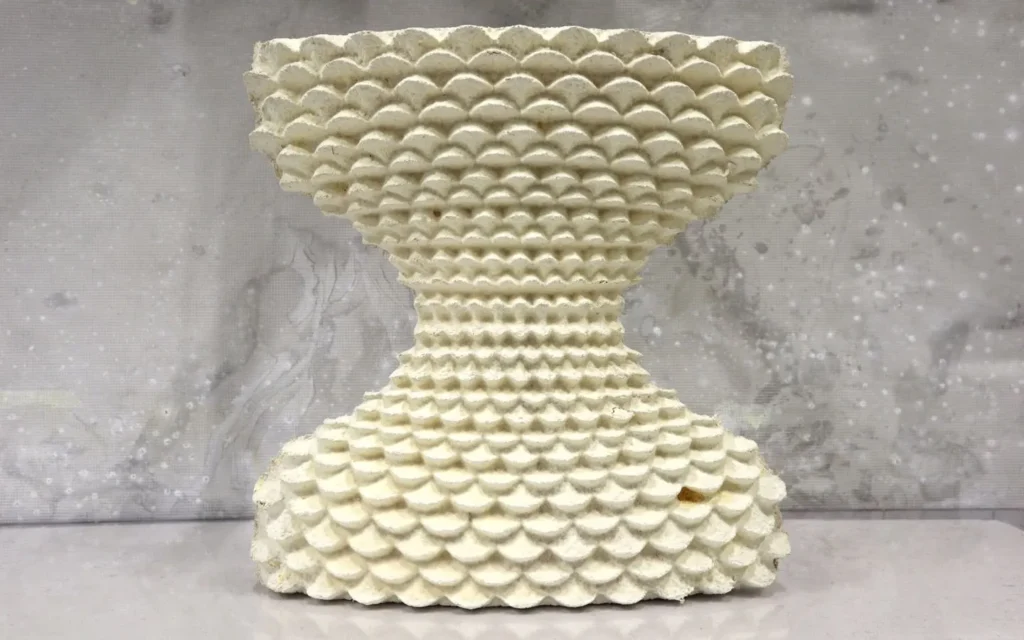
Architects are testing the limits of bio-materials in load-bearing structures. Researchers create mycelium bricks by compressing the substrate during the growth phase. These bricks are surprisingly lightweight but tough. They cure into a hard material that can be stacked and used for temporary pavilions or interior walls. They allow for new forms of organic architecture that traditional concrete cannot achieve.
Why Shift to Bio-Tech?
We compare these new solutions to traditional industrial materials. Plastic takes centuries to degrade. Concrete production emits massive amounts of carbon dioxide. Fungal materials grow in a matter of days. They are carbon negative. This means they absorb more carbon during growth than they emit during production.
This technology is still evolving. We invite you to analyze the data and case studies on our dedicated technology pages. You will find detailed breakdowns of growth cycles and material properties to help you use these elements in your own projects.