

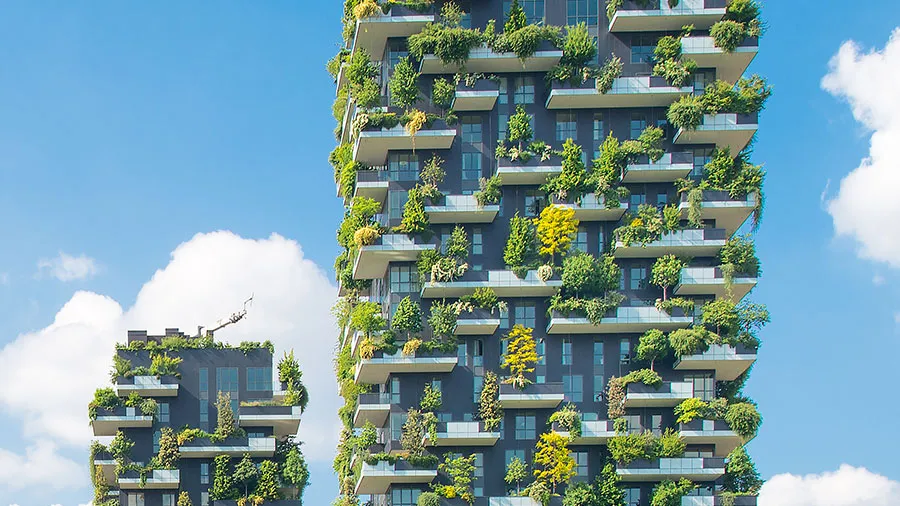
The Shift from Industrial to Biological
The term eco friendly technology often brings up images of solar panels or electric cars. While energy generation is important, it is only half the battle. The physical materials we use to build our world matter just as much. For the last century, engineering relied on extraction. We dug up minerals. We pumped oil. We melted sand. We forced these raw elements into static shapes using massive amounts of heat and pressure.
This approach built the modern world. However, it also left us with a massive debt. We now face islands of plastic in the ocean and a climate crisis driven by carbon emissions. The next generation of designers faces a different challenge. You cannot just build efficiently. You must build biologically.
This is where the new wave of technology steps in. It does not try to conquer nature. It tries to mimic it. We are seeing a transition from an industrial age to a biological age. The goal is to create products that fit into the natural cycle of the planet.
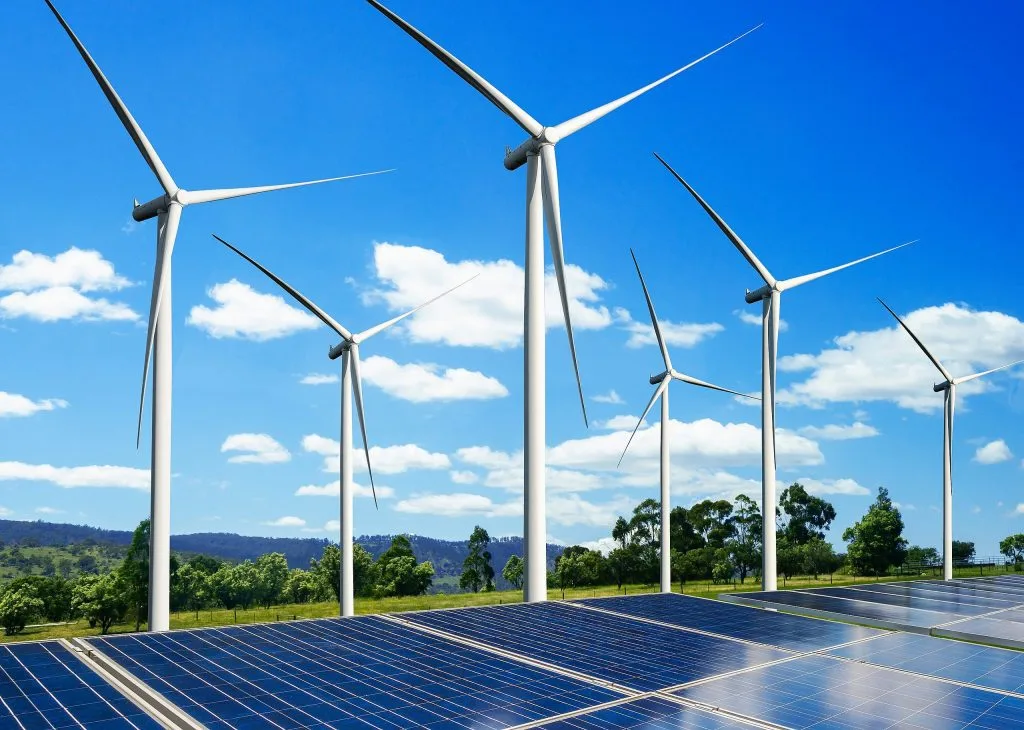
Defining True Sustainability
We need to be clear about definitions. A product is not eco-friendly just because it comes in a green box. True eco friendly technology must address the entire life cycle of a product. This includes where the materials come from, how they are made, and where they go when we are done with them.
We use a framework often called Cradle to Cradle. In nature, waste does not exist. The waste of one organism is the food for another. A tree falls and becomes soil for fungi. The fungi feed the plants. The plants feed the animals. Our industrial systems must learn to operate the same way.
Comparison of Technological Approaches
To understand the shift we are making, it helps to look at the data directly. We are moving away from linear systems toward circular ones. Here is how the old methods stack up against the new biological standards.
| Feature | Industrial Technology | Eco-Friendly Bio-Technology |
| Raw Material | Finite resources like oil, ore, and sand | Renewable resources like agricultural waste |
| Production Energy | High heat and high pressure | Ambient temperature and biological growth |
| Material Lifespan | Permanent (centuries in landfill) | Temporary (weeks to decompose) |
| Carbon Impact | Emits CO2 during production | Absorbs CO2 during growth |
| End of Life | Waste / Pollution | Soil Nutrient / Compost |
The Problem with Permanence
Architecture students are taught to build for eternity. We prize concrete and steel because they last. But do we really need a coffee cup to last for five hundred years? Do we need packaging foam to outlive the civilization that made it?
Most of the objects we use have a short functional lifespan. A shipping box is useful for three days. A disposable fork is useful for twenty minutes. Yet we make them out of materials that last for centuries. This mismatch is a design flaw.
Eco-friendly innovation solves this by matching the material to the use case. If a building is temporary, the materials should be compostable. If a product is meant to be used once, it should not be made of petroleum-based plastic. This is where bio-materials come into play.
The Rise of Bio-Fabrication
The most exciting development in this field is bio-fabrication. This is the practice of growing materials. We leverage living organisms to do the manufacturing work for us.
Mycelium is the leading example of this. It is the root structure of fungi. It works like a natural 3D printer. It consumes organic waste and builds a dense network of fibers. We can guide this growth to create solid shapes. We can grow insulation panels. We can grow packaging. We can even grow structural bricks.
This process checks all the boxes for eco friendly technology. It uses waste as a raw material. It uses minimal energy to grow. It locks carbon into the solid structure. And finally, it is fully biodegradable.
Carbon Negativity Explained
You will hear the term carbon neutral often. It means a company balances out its emissions. But we can do better. We can be carbon negative.
Bio-based materials absorb carbon dioxide while they grow. Plants take CO2 from the air. When we use those plants to make a durable product, we trap that carbon. It stays out of the atmosphere. If we replace a concrete block with a bio-brick, we are not just avoiding the emissions of cement production. We are actively storing carbon in the wall.
This turns our buildings and products into carbon sinks. It reverses the damage of the past. This is the potential of biological engineering.
Energy in Manufacturing
We must also look at the energy cost of production. Making aluminum or glass requires extreme heat. You need furnaces that run at thousands of degrees. This consumes massive amounts of power.
Biological growth happens at room temperature. A mushroom does not need a furnace to grow. It needs a little water and some air. By switching to bio-fabrication, we can shut down the high-heat kilns. We can reduce the energy load of our factories by a significant margin. This makes the entire supply chain more resilient and less dependent on fossil fuels.
Applications for Future Architects
If you are studying design or architecture, this is your toolkit. The materials you choose determine the impact of your work.
You can specify mycelium insulation instead of fiberglass. You protect the health of the workers who install it. You improve the air quality for the people who live there. You ensure the building can be demolished safely in the future.
You can use bio-composites for interior panels and acoustic dampening. These materials bring a natural texture to a space. They connect the occupants to nature. This is a concept called biophilic design. It makes people feel better and work better.

The Economic Argument
There is a myth that eco friendly technology is always more expensive. In the early stages, innovation costs money. Solar panels used to be a luxury. Now they are the cheapest form of energy in history.
Bio-materials are following the same curve. They use waste as a primary ingredient. Agricultural waste is cheap and abundant. Farmers often burn it just to get rid of it. We turn that liability into an asset. As production scales up, the cost comes down. Eventually, growing a brick will be cheaper than baking one.
Conclusion
The definition of technology is expanding. It is no longer just about machines. It is about systems. Eco friendly technology is the integration of human needs with natural laws. It offers a path forward that regenerates our planet. We invite you to explore the specific technologies on our site and join us in building a living future.